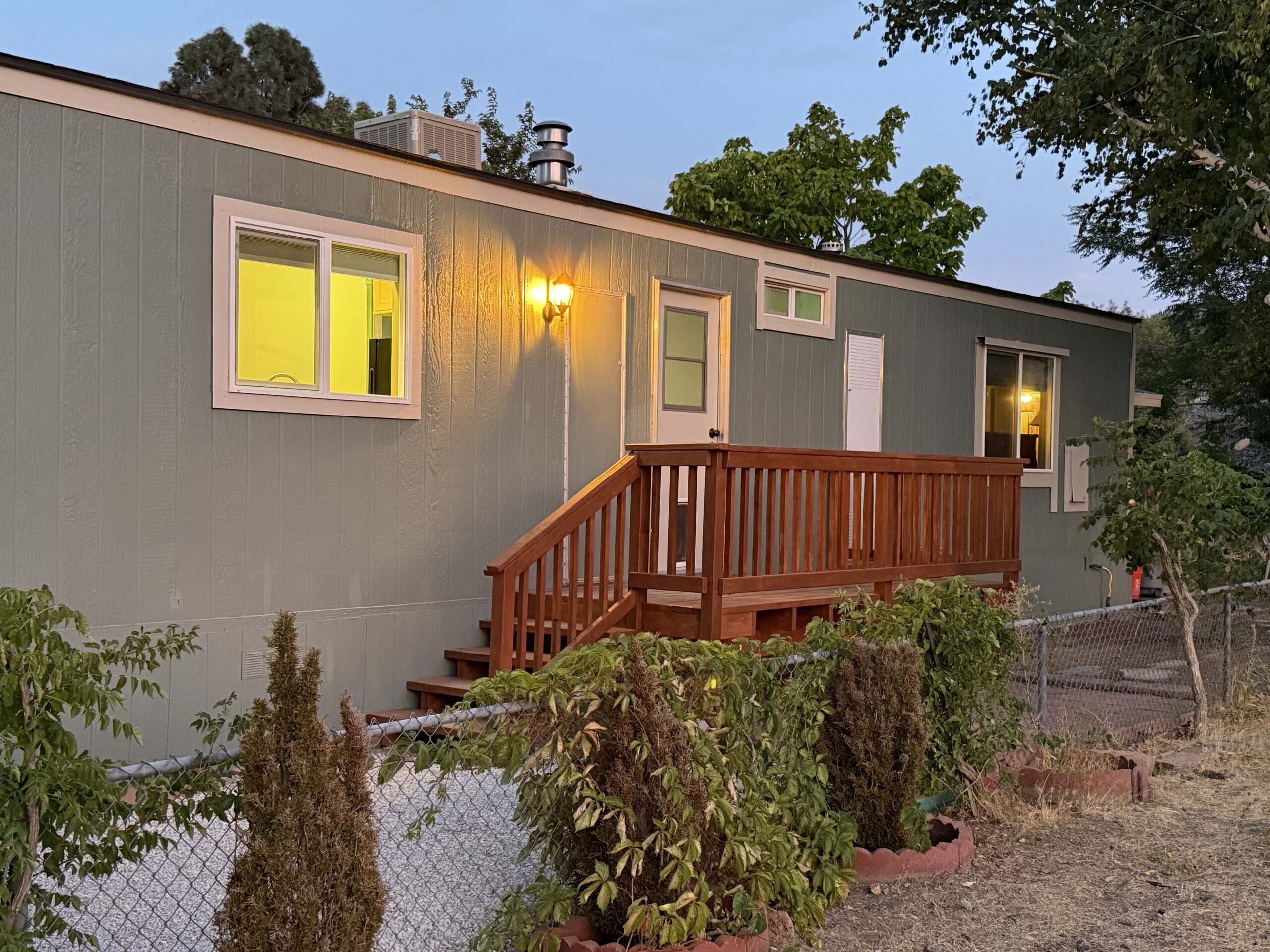
Can You Move a Mobile Home? Costs, Requirements, and What to Know
Thinking about moving a mobile home to a new location? It is possible in many situations, but moving a manufactured home is much more complicated than moving a typical vehicle or trailer.
Before making plans, you’ll need to consider the home’s age and condition, local regulations, transportation costs, permits, the distance of the move, and whether the new property is prepared for a manufactured home.
If you’re wondering “Can I move my mobile home?”, here’s what you should know before getting started.
Can You Move a Mobile Home?
Yes, some mobile and manufactured homes can be moved. However, not every home is eligible or practical to relocate.
A professional manufactured-home mover will typically evaluate the home before the move. They may look at the home’s age, construction, condition, size, transportation route, and the requirements at the new location.
Local and state requirements can also affect whether a move is allowed. Because regulations vary, it’s important to check with the appropriate local and state agencies before scheduling transportation.
What Is the Process for Moving a Mobile Home?
Moving a manufactured home requires careful planning. While every move is different, the process generally includes several important steps.
1. Check Local Requirements
Start by finding out what permits, inspections, zoning approvals, and transportation requirements apply to the move.
You may need approvals from both the location where the home is currently located and the location where it will be installed.
2. Hire a Professional Mobile Home Mover
Moving a manufactured home is not a typical DIY project. A qualified mover will have the equipment and experience needed to transport the home safely.
When comparing movers, ask about licensing, insurance, permits, transportation, setup, and what services are included in the quoted price.
3. Prepare the Home
Before transportation, the home needs to be prepared for the road.
Depending on the property and the home, preparation can include:
- Disconnecting water, sewer, electrical, and gas services
- Removing skirting
- Removing porches, decks, stairs, or other attached structures
- Securing doors and windows
- Preparing the home for transportation
- Separating sections of a multi-section manufactured home when required
The exact preparation will depend on the home’s design and the moving company’s requirements.
4. Transport the Home
The mover will prepare the home’s chassis and connect it to the appropriate transportation equipment.
For a double-wide or other multi-section home, each section may need to be transported separately. The mover will also plan a route that can accommodate the home’s dimensions and any transportation restrictions.
5. Set Up the Home at the New Location
Once the home arrives, it will need to be positioned and secured at the new property.
Setup may include leveling the home, connecting utilities, installing skirting, and reinstalling other features that were removed before transportation.
6. Complete Required Inspections
Depending on the location, additional inspections or approvals may be required after the home is moved.
It’s important to make sure the home meets the requirements of its new location before considering the move complete.
How Old Can a Mobile Home Be and Still Be Moved?
One of the most common questions homeowners ask is, “What is the oldest mobile home that can be moved?”
There isn’t one universal age limit that applies everywhere.
Homes manufactured before June 15, 1976, generally predate the federal HUD Manufactured Home Construction and Safety Standards, commonly known as the HUD Code. Because of this, older homes may face additional restrictions when being relocated.
However, age is only one factor. The home’s condition, local regulations, transportation requirements, and the rules of the destination property can all affect whether a move is allowed.
If you have an older mobile home, have a professional mover and the appropriate local agency review the home before spending money on transportation.
How Much Does It Cost to Move a Mobile Home?
The cost of moving a mobile home can vary significantly.
A basic transportation quote may only represent part of the total expense. You may also have costs for permits, disconnecting utilities, preparing the home, removing structures, transportation, setup, inspections, and reconnecting utilities.
Factors that can affect the total cost include:
- Home size: A single-wide and double-wide require different transportation and preparation.
- Distance: Longer moves generally cost more.
- Home condition: Older or damaged homes may require additional preparation.
- Accessibility: Tight spaces, narrow roads, steep grades, or obstacles can make a move more difficult.
- Permits: Requirements and fees vary by location.
- Setup: Installing and reconnecting the home at the new property can add substantially to the overall cost.
Because of these variables, there isn’t one price that applies to every mobile home move. Getting multiple quotes based on the home’s exact size, location, destination, and required services is the best way to estimate the real cost.
What Is the Cheapest Way to Move a Mobile Home?
If you’re trying to keep moving costs down, compare several professional movers and make sure you’re comparing the same services.
A lower transportation price isn’t necessarily the lowest overall cost if it excludes permits, setup, utility work, or other required services.
Moving the home a shorter distance may also reduce transportation expenses, but you should never skip required permits, inspections, or professional setup just to save money.
Is Moving a Mobile Home Worth It?
That depends on the home and your specific situation.
Before deciding, compare the estimated cost of moving and setting up the existing home with the cost of purchasing another manufactured home at your desired location.
For an older home, transportation and setup costs can sometimes make relocating less practical. In other situations, moving an existing home may make sense if the home is in good condition and has value that you want to preserve.
What Are the Alternatives to Moving a Mobile Home?
If moving your current home is too expensive or isn’t permitted, there may be other options.
You could consider selling the existing home and purchasing another manufactured home closer to your desired location. Depending on your circumstances, renting a manufactured home may also be an option.
Another possibility is purchasing a manufactured home that is already located in the community or area where you want to live. This can eliminate many of the transportation and setup expenses associated with relocating an existing home.
Final Thoughts
Moving a mobile home can be done in many circumstances, but it requires more planning than most people realize. The home’s age and condition, transportation route, permits, local regulations, and setup requirements can all affect the process and total cost.
Before committing to a move, talk with a qualified manufactured-home mover and verify the requirements with the appropriate local agencies. Getting the answers upfront can help you avoid unexpected expenses and delays.
If you’re considering buying or selling a mobile or manufactured home, understanding the home’s title, location, condition, and setup requirements can also help make the transaction go much more smoothly.