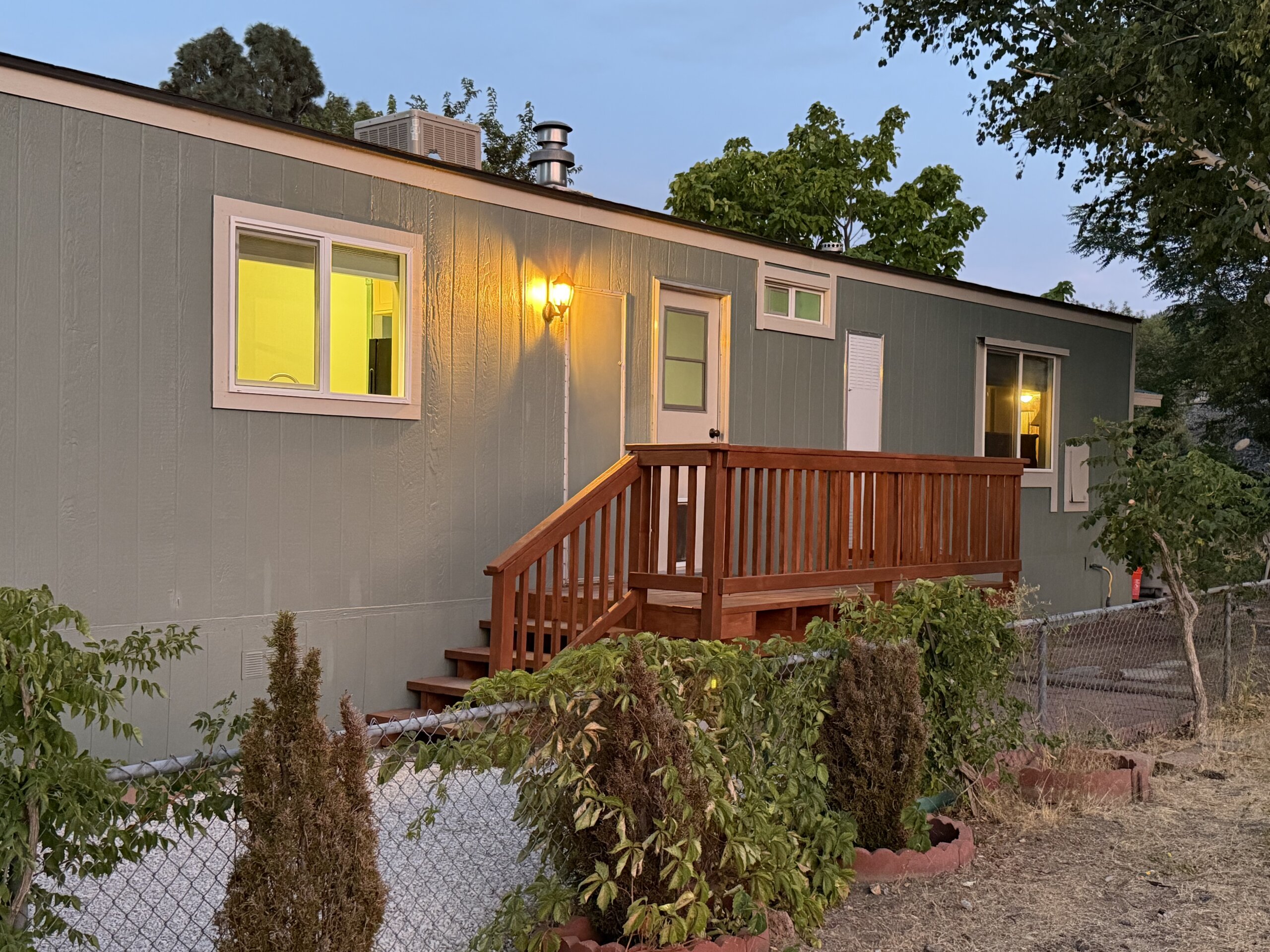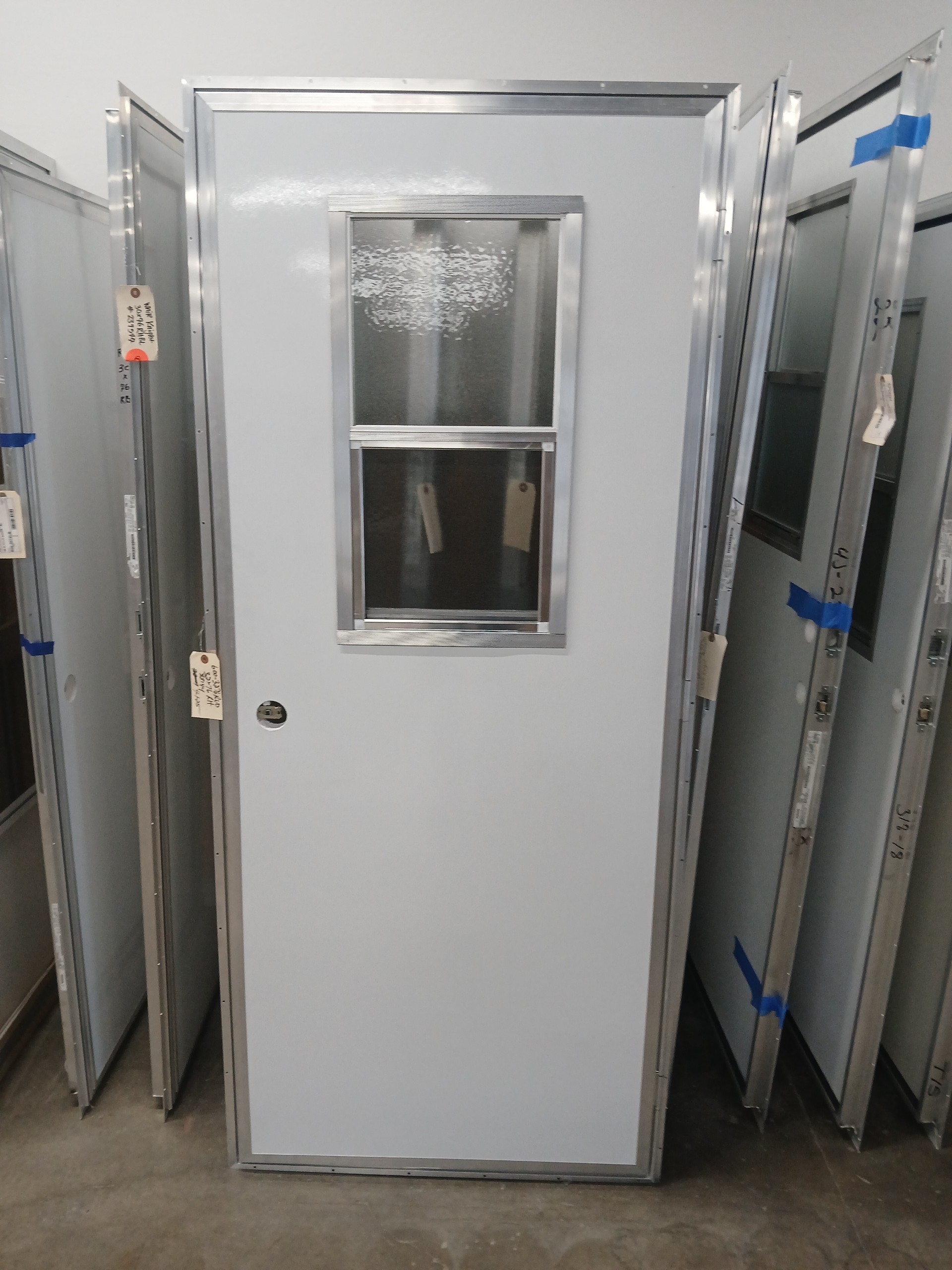
Mobile Home vs. Manufactured Home: Understanding the Difference
If you’ve ever searched for a mobile home, manufactured home, or modular home, you may have noticed that these terms are sometimes used interchangeably. While they all describe homes that can be built partially or entirely away from their final location, they are not the same thing.
The biggest distinction between a mobile home and a manufactured home is when the home was built and which construction standards it follows. Understanding that difference can be especially important when you’re buying, selling, financing, insuring, or transferring ownership of a factory-built home.
In this guide, we’ll explain the difference between mobile homes and manufactured homes, how modular homes compare, and what buyers should know before purchasing.
What Is a Mobile Home?
The term mobile home generally refers to a factory-built home manufactured before June 15, 1976.
Before that date, factory-built homes were not constructed under the federal HUD Manufactured Home Construction and Safety Standards. Because these homes predate the federal standards, they are commonly identified as mobile homes.
The term “mobile home” is still widely used today, particularly when people are talking about older factory-built homes. However, the terminology changed after federal construction standards were introduced.
What Is a Manufactured Home?
A manufactured home is a factory-built home constructed according to the federal HUD Code, officially known as the Manufactured Home Construction and Safety Standards.
The HUD Code went into effect on June 15, 1976. Homes manufactured under these federal standards are generally referred to as manufactured homes.
The HUD Code establishes requirements for important areas of construction and safety, including structural design, electrical systems, plumbing, heating, ventilation, and fire safety.
Manufactured homes are constructed in a factory and transported to their destination, where they are installed according to applicable requirements.
When Did Mobile Homes Become Manufactured Homes?
The terminology changed with the introduction of the federal HUD Code on June 15, 1976.
A simple way to remember the distinction is:
- Built before June 15, 1976: Generally referred to as a mobile home
- Built on or after June 15, 1976: Generally referred to as a manufactured home when constructed under the HUD Code
Although “mobile home” is still commonly used in everyday conversation, manufactured home is the more accurate term for a home built under the HUD Code.
Mobile Home vs. Manufactured Home: What Is the Difference?
The primary difference is the date of construction and applicable building standards.
| Mobile Home | Manufactured Home |
|---|---|
| Generally built before June 15, 1976 | Built on or after June 15, 1976 |
| Predates the federal HUD Code | Constructed under the HUD Code |
| Commonly refers to older factory-built homes | Current term for HUD Code factory-built homes |
| May have different documentation and requirements | Subject to federal manufactured housing standards |
If you’re purchasing an older factory-built home, determining its construction date is an important first step.
What Is a Modular Home?
A modular home is also constructed in a factory, but it is different from a manufactured home.
The primary distinction is the building code used during construction.
Manufactured homes are built according to the federal HUD Code. Modular homes are generally built to the state and local building codes that apply to the location where the home will be installed.
Modular homes are constructed in sections at a manufacturing facility and then transported to the building site. The sections are assembled and completed at the property.
Manufactured Home vs. Modular Home
The easiest way to understand the difference is:
Manufactured home: Built to federal HUD standards.
Modular home: Built to applicable state and local building codes.
Both can be constructed in a factory, but they are regulated differently.
Why Does the Difference Matter?
Knowing whether you’re dealing with a mobile home, manufactured home, or modular home can be important when you’re buying or selling property.
The classification of the home can affect things such as:
- Financing options
- Insurance requirements
- Title and registration
- Installation requirements
- Zoning regulations
- Community rules
- Property taxes
- Resale considerations
For this reason, buyers should not rely solely on the terminology used in a listing. Reviewing the home’s records, construction date, title information, and other documentation can help determine how the home is classified.
Benefits of Manufactured Homes
Manufactured homes have become a popular housing option for buyers looking for affordability and flexibility.
Affordable Housing Option
One of the biggest advantages of manufactured housing is the potential for a lower purchase price compared with some traditionally built homes.
The overall cost depends on many factors, including the home itself, location, land, transportation, installation, utilities, financing, and other expenses.
Efficient Factory Construction
Manufactured homes are constructed in a controlled factory environment. This allows manufacturers to use standardized building processes while reducing exposure to outdoor weather during much of the construction process.
Variety of Designs
Today’s manufactured homes are available in many different floor plans, sizes, layouts, finishes, and features.
Depending on the manufacturer and model, buyers can find homes designed for first-time buyers, families, retirees, and homeowners looking for additional living space.
Faster Installation
Because much of the home is constructed before it arrives at the property, the process can be more streamlined than traditional on-site construction.
However, the total timeline can vary depending on transportation, site preparation, permits, utility connections, foundation or support systems, and installation.
Things to Consider Before Buying a Manufactured Home
A manufactured home can be a great option, but buyers should look at more than just the asking price.
Check Local Zoning Requirements
If you’re purchasing a manufactured home for placement on private property, verify that local zoning regulations allow that type of home on the property.
Requirements can vary significantly from one location to another.
Understand Community Rules
If the home is located in a manufactured home community, review the community’s rules before purchasing.
Some communities have requirements regarding exterior improvements, additions, parking, landscaping, pets, and other modifications.
Determine Whether Land Is Included
Not every manufactured home sale includes land.
In some situations, the buyer purchases both the home and the land. In other cases, the buyer owns the manufactured home but leases the space where it is located.
Understanding what is included in the purchase is an important part of the buying process.
Have the Home Inspected
Just like any other type of home, a manufactured home should be carefully evaluated before purchase.
Depending on the home’s age and condition, buyers may want to look at the roof, siding, windows, plumbing, electrical systems, HVAC equipment, floors, support system, and signs of moisture or water damage.
For older homes, it’s also important to review available title and ownership records.
Are Manufactured Homes Actually Mobile?
Despite the name “manufactured home,” these homes are designed to be transported to their installation location. However, that does not mean homeowners regularly move them.
Moving a manufactured home can be complicated and expensive. Transportation, permits, qualified movers, site preparation, utility disconnection and reconnection, and installation requirements may all be involved.
As a result, many manufactured homes remain in the same location for many years.
Frequently Asked Questions About Mobile and Manufactured Homes
Is a mobile home the same as a manufactured home?
Not exactly. A mobile home generally refers to a factory-built home constructed before June 15, 1976. Manufactured homes are generally homes constructed under the federal HUD Code beginning June 15, 1976.
What is the HUD Code?
The HUD Code is the federal set of construction and safety standards established for manufactured homes. It covers numerous aspects of manufactured home construction and safety.
Are manufactured homes built in a factory?
Yes. Manufactured homes are constructed in a factory and then transported to the location where they will be installed.
What is the difference between a modular and manufactured home?
Manufactured homes are constructed according to federal HUD standards. Modular homes are generally constructed according to state and local building codes applicable to their final location.
Can a manufactured home be placed on private property?
Potentially, yes. Whether a manufactured home can be placed on a particular property depends on local zoning, land-use regulations, permits, and other requirements.
How can I tell whether a home is a mobile home or manufactured home?
The home’s construction date is an important starting point. For a specific property, buyers should also review the title, identification information, and other official records to verify the home’s classification.
Final Thoughts
The difference between a mobile home and manufactured home largely comes down to the home’s age and the construction standards under which it was built.
If you’re considering purchasing a factory-built home, understanding the terminology is only the beginning. You should also review the home’s condition, ownership records, location, community requirements, zoning, and financing options.
Whether you’re looking for an older mobile home or a newer manufactured home, doing your research before purchasing can help you make a more informed decision.
At White Knight Homes of Nevada, we understand that buying a manufactured home can raise a lot of questions. Taking the time to understand the home and the purchasing process can help make your experience easier and more straightforward.