What Is the Blue Book Value of a Mobile Home?
Trying to find out how much a mobile home is worth? If you’re buying, selling, refinancing, or simply curious about the current value of your manufactured home, understanding how mobile home valuations work is an important first step.
You may be familiar with the term “Blue Book value” from the automotive industry. But unlike cars and trucks, mobile homes aren’t typically valued using the same type of Kelley Blue Book system.
So, how do you determine the value of a mobile home?
Several specialized resources can help, including manufactured home valuation services, comparable sales, online listings, and professional appraisals. The home’s age, condition, size, location, features, and whether it includes land can all affect its value.
Here’s what you need to know about determining the value of a mobile or manufactured home.
Does Kelley Blue Book Value Mobile Homes?
No. Kelley Blue Book does not provide valuations for mobile or manufactured homes.
Kelley Blue Book is widely used to research vehicle values, but manufactured housing falls outside its traditional valuation coverage. That means you won’t be able to enter the details of your mobile home into Kelley Blue Book and receive a manufactured home value.
Fortunately, there are other resources specifically designed for manufactured housing.
Depending on your situation, you may be able to research comparable homes through online marketplaces, contact a manufactured home retailer, use a specialized valuation service, or hire a professional appraiser.
Keep in mind that an asking price isn’t necessarily the same as a home’s final selling price. Comparable sales and professional valuations can provide additional information when determining what a home is actually worth.
What Is the NADA Manufactured Home Blue Book?
You may also have heard people refer to the NADA Blue Book for manufactured homes.
The NADA manufactured housing guides became associated with J.D. Power, which acquired NADA’s valuation operations. As a result, you’ll often hear these resources referred to as J.D. Power manufactured home values, even though many people still use the term “NADA Blue Book.”
Manufactured home valuation reports can consider information such as:
- The home’s age
- Manufacturer and model
- Size and dimensions
- Overall condition
- Location
- Features and improvements
- Other characteristics of the home
These valuations may be used as one source of information by buyers, sellers, lenders, and other parties involved in a manufactured home transaction.
However, it’s important to understand that a valuation guide is not necessarily the same thing as a complete market analysis.
Different valuation methods can produce different results. Some approaches place greater emphasis on depreciation and the characteristics of the home itself, while other approaches may focus more heavily on comparable manufactured homes that have recently sold in the same market.
If you’re making a major financial decision involving your home, it’s worth considering more than one source of information.
How Can I Find Out How Much My Mobile Home Is Worth?
There isn’t a single number that determines the value of every mobile home. Instead, several factors work together to determine what a particular home may be worth.
Here are some of the most important factors to consider.
1. Age of the Home
Age can have a significant impact on manufactured home value.
A newer home may have modern construction standards, floor plans, finishes, and features that appeal to today’s buyers. Older homes can still have considerable value, particularly when they’ve been well maintained and updated.
Homes manufactured before June 15, 1976, can be more challenging to finance and sell because they were built before the implementation of the federal HUD Manufactured Home Construction and Safety Standards.
The home’s exact age should therefore be considered alongside its construction, condition, and marketability.
2. Overall Condition
Condition is another major factor.
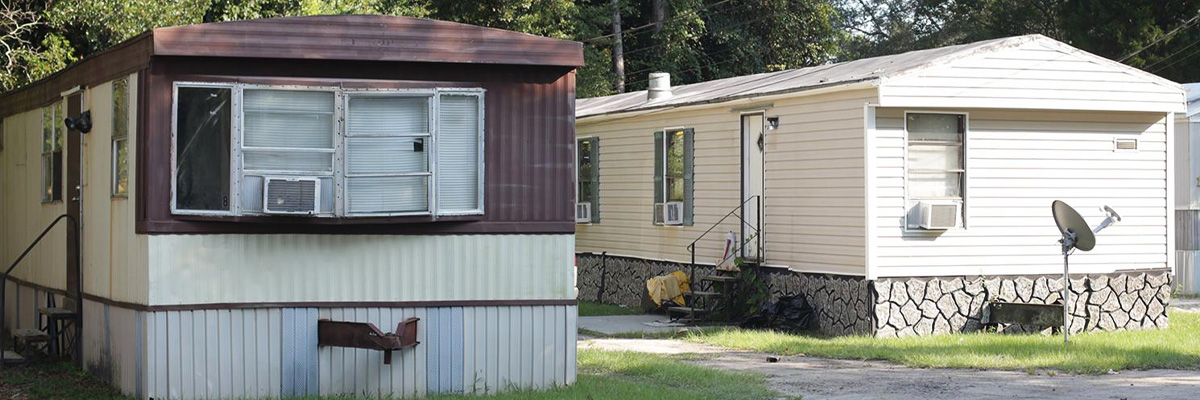
Two mobile homes with the same floor plan and year may have very different values if one has been extensively maintained while the other needs significant repairs.
When evaluating a home, consider the condition of:
- The roof
- Flooring
- Windows and doors
- Plumbing
- Electrical systems
- HVAC equipment
- Kitchen and bathrooms
- Exterior siding
- Skirting
- Appliances
- Interior finishes
Recent renovations can also affect the home’s appeal, particularly when improvements address outdated or damaged areas.
3. Location
Where the home is located can have a substantial effect on its value.
A manufactured home in a desirable community or market may command a different price than an otherwise similar home in another location.
You’ll also want to consider whether the home sits on private land or is located in a manufactured home community.
If the home is in a community, factors such as lot rent, community amenities, location, rules, and overall condition may influence what buyers are willing to pay.
A home located on privately owned land may be valued differently because the land itself can be part of the transaction.
4. Size, Floor Plan, and Features
The home’s size and layout can also influence its market value.
A larger manufactured home with additional bedrooms and bathrooms may appeal to a different group of buyers than a smaller home.
Features such as these may also affect buyer interest:
- Updated kitchens
- Renovated bathrooms
- Walk-in closets
- Covered porches
- Decks and patios
- Updated flooring
- Energy-efficient windows
- Modern appliances
- Additional living space
However, not every improvement adds the same amount of value. The cost of an upgrade and the amount it ultimately contributes to resale value aren’t necessarily equal.
5. Comparable Mobile Home Sales
One of the most useful ways to understand a home’s market value is to research comparable manufactured homes.
Look for homes that are similar in:
- Location
- Age
- Size
- Number of bedrooms and bathrooms
- Condition
- Features
- Community or land ownership
Ideally, you’ll want to focus on recent sales rather than relying solely on current asking prices.
This approach can help you understand how similar homes are being valued in your local market.
Is There a Mobile Home Value Calculator?
Online mobile home value calculators and valuation tools can provide a starting point for estimating what a manufactured home may be worth.
Depending on the tool, you may be asked to provide information such as the home’s:
- Year built
- Manufacturer
- Model
- Size
- Location
- Number of bedrooms and bathrooms
- Condition
- Features and improvements
Keep in mind that an online estimate should generally be viewed as a starting point rather than a guaranteed selling price.
For a more detailed valuation, you can research comparable homes on manufactured housing marketplaces, consult a manufactured home valuation service, or work with a qualified appraiser familiar with your local market.
What Increases the Value of a Mobile Home?
If you’re planning to sell your manufactured home, you may be wondering which improvements can make the biggest difference.
There’s no guarantee that a particular renovation will return its full cost at resale, but certain improvements can make a home more appealing and potentially support its market value.
Update the Kitchen and Bathrooms
Kitchens and bathrooms are often among the most noticeable areas of a home.
You don’t necessarily need a complete renovation. Depending on the condition of the existing space, improvements such as updated countertops, cabinet hardware, faucets, lighting, flooring, or appliances can create a more modern appearance.
Focus on improvements that make the space look clean, functional, and current without going significantly beyond what is typical for homes in the surrounding market.
Improve Energy Efficiency
Energy-efficient improvements can make a manufactured home more comfortable and potentially more attractive to buyers.
Depending on the home’s existing condition, possibilities may include:
- Energy-efficient windows
- Improved insulation
- Weatherstripping
- Efficient lighting
- Modern HVAC equipment
- Energy-efficient appliances
- Improved doors
Some upgrades may also help reduce ongoing utility costs, although the potential savings will depend on the home, climate, utility rates, and specific improvement.
Add Outdoor Living Space
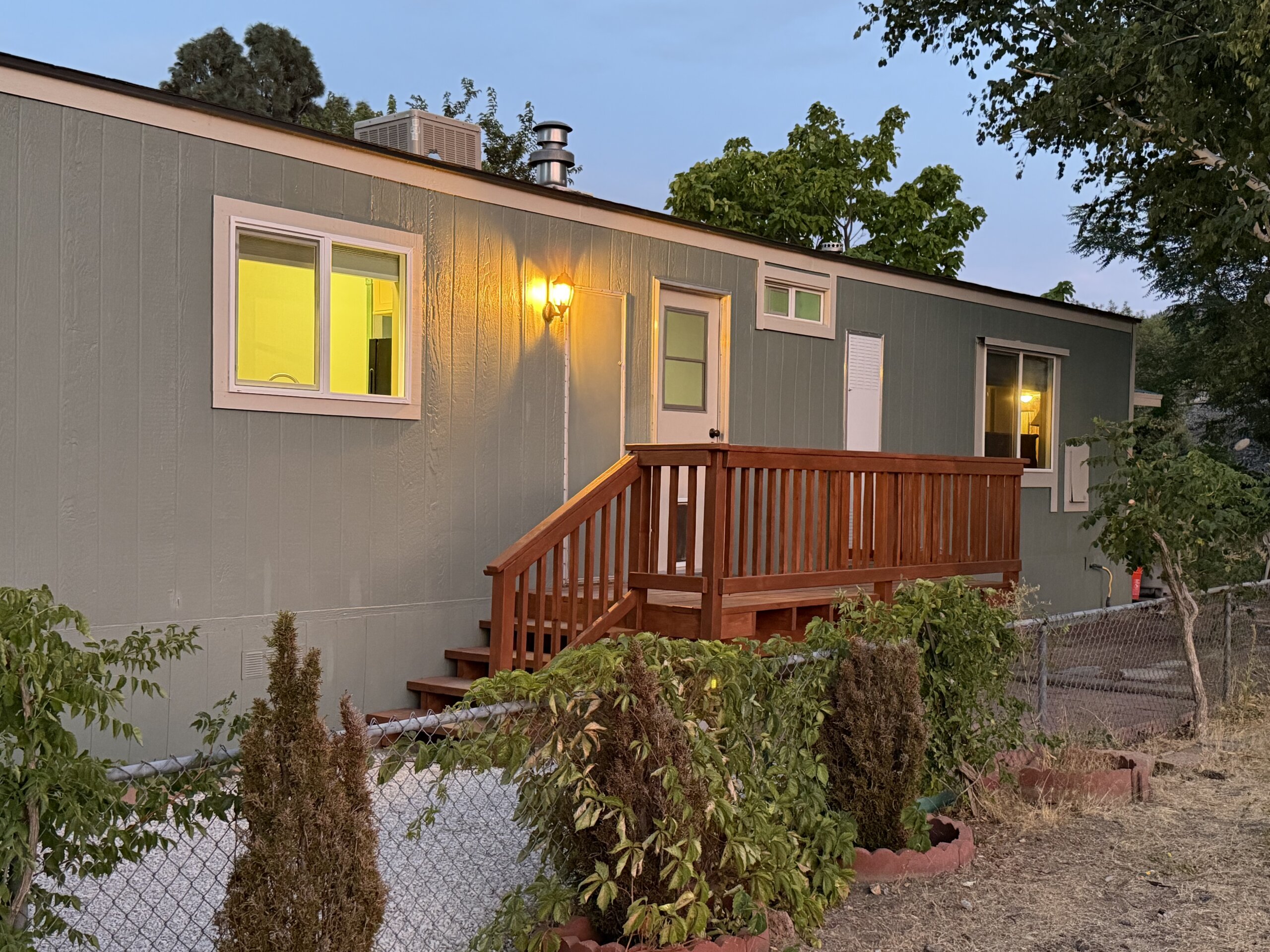
A well-designed porch, deck, or patio can expand the home’s usable living area and improve its exterior appearance.
Outdoor space can be particularly appealing when it’s properly maintained and complements the home’s size and design.
Before adding or modifying a deck or porch, check local building requirements and any rules established by a manufactured home community.
Improve Curb Appeal
First impressions matter when you’re preparing a home for sale.
Simple exterior improvements can make a noticeable difference. Consider cleaning the siding, refreshing exterior paint where appropriate, improving landscaping, replacing damaged skirting, and keeping walkways and entry areas tidy.
You don’t necessarily need an expensive landscaping project. A clean, maintained exterior can go a long way toward making a manufactured home more inviting.
Replace Outdated Fixtures and Appliances
Small updates can help modernize a manufactured home without requiring a major renovation.
New lighting fixtures, cabinet hardware, faucets, door handles, and energy-efficient appliances can give the interior a more contemporary appearance.
If major appliances are approaching the end of their useful life, replacing them may also make the home more appealing to potential buyers.
Stay Ahead of Maintenance and Repairs
One of the most important ways to protect a home’s value is to keep up with routine maintenance.
Address problems before they become larger issues. Roof leaks, plumbing problems, damaged flooring, deteriorating siding, HVAC issues, and other deferred maintenance can affect both buyer interest and the home’s condition.
A well-maintained home is generally easier to show, market, and evaluate than one with a long list of unresolved repairs.
How Much Is My Mobile Home Worth?
The answer depends on the individual home and its local market.
There isn’t one universal “Blue Book value” for every mobile home, and Kelley Blue Book isn’t the appropriate resource for determining manufactured home values.
Instead, consider several sources of information. Research comparable homes, review current and recent market activity, use a specialized manufactured home valuation resource, and consider a professional appraisal when an accurate valuation is particularly important.
The more closely your comparison homes match your property’s location, age, size, condition, and features, the more useful the information is likely to be.
Whether you’re preparing to sell, purchasing a manufactured home, refinancing, or simply keeping track of your home’s value, understanding how mobile home valuations work can help you make better-informed financial decisions.